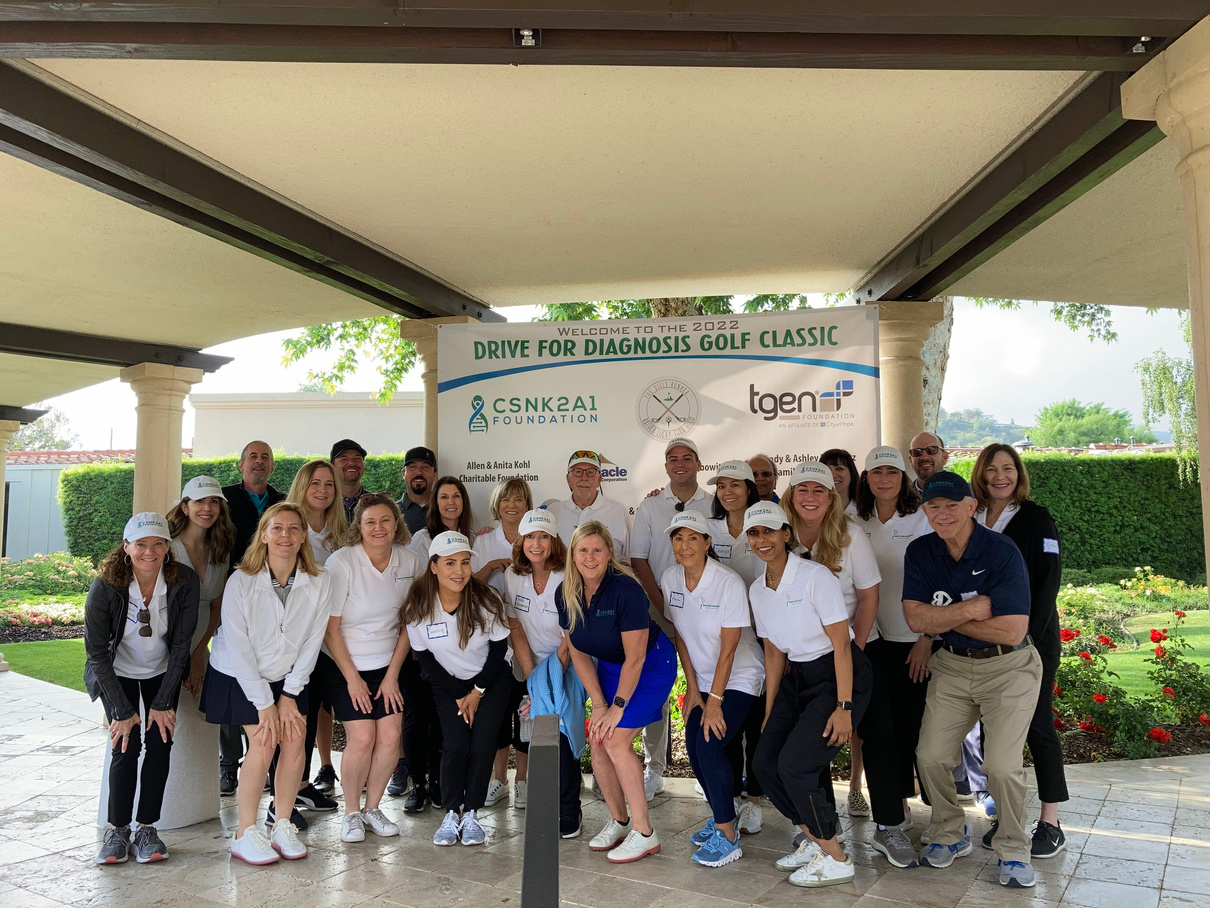
Drive for Diagnosis 2026 Golf Classic
Benefitting the CSNK2A1 Foundation & TGEN'S CENTER FOR RARE CHILDHOOD DISORDERS
THANK YOU TO OUR GOLF CLASSIC TITLE SPONSOR
Monday, April 6, 2026
El Caballero Country Club
Tarzana, California
Tournament Schedule
Monday, April 6, 2026
El Caballero Country Club
18300 Tarzana Avenue Tarzana, CA 91356
(818) 654-3092
8:00 AM-10:00 AM
- Registration
- Breakfast & Bloody Mary Bar
- Massages
- Smoothie/Coffee Bar
- Putting Contest
- Driving Range Opens
10:00* AM
- Lucky few to chip for $$$
10:30* AM
- Shotgun Start
- Four Person Team
- Modified Best Ball Format
- Exciting contests, food & drinks await you!
4:00 PM-6:00 PM
- After golf activities
- Hosted Bar & Heavy Appetizers
- Team/Contest Winners Presentation
- Live Auction
- Super Silent Auction
- Opportunity Board prizes
*earlier start time again this year!
GOLF Sponsorship OPPORTUNITIES

Title Sponsor

Presenting Sponsor

Major Tee Gift Sponsor

Caddie Sponsor

Awards Dinner Sponsor

Sign Sponsor





Non-Golf Sponsorship OPPORTUNITIES

Massage Therapist Sponsor

Golf Ball Sponsor

Chip-Off Sponsor

Golf Ball Launcher Sponsor

Tee Box Sponsor

Smoothie/Iced Coffee Truck Sponsor

Cigar Sponsor

Breakfast Burrito
Bloody Mary Bar Sponsor

On Course Hosted Bar Sponsor
19th Hole Reception Bar

Hole in One Sponsor


How it all began.
Okur-Chung Neurodevelopmental Syndrome (OCNDS) is an ultra-rare genetic disorder first identified in 2016. Although it is believed to affect thousands globally, only about 375 individuals have been diagnosed worldwide to date. In 2016, there were just five known cases, and no resources existed—no foundation, no website, no community, and no research.
In 2018, Jennifer and Jason Sills took action, founding the CSNK2A1 Foundation after their daughter became the 6th diagnosed case in the world. They created the foundation with a dual mission: to accelerate research for treatments and a cure and to provide a supportive community for families navigating OCNDS. Their work has since sparked hope, awareness, and progress, offering a lifeline to families affected by this rare condition.
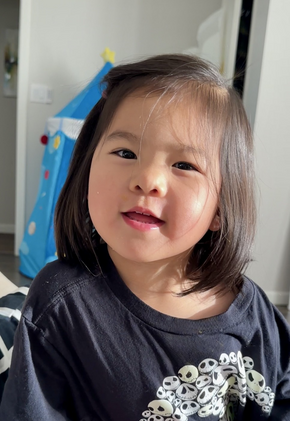
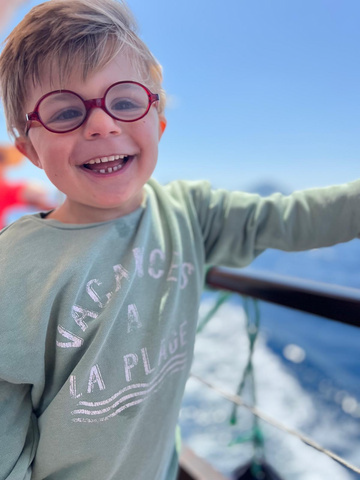
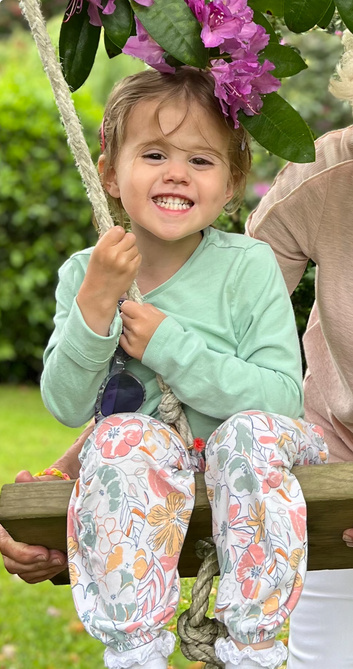
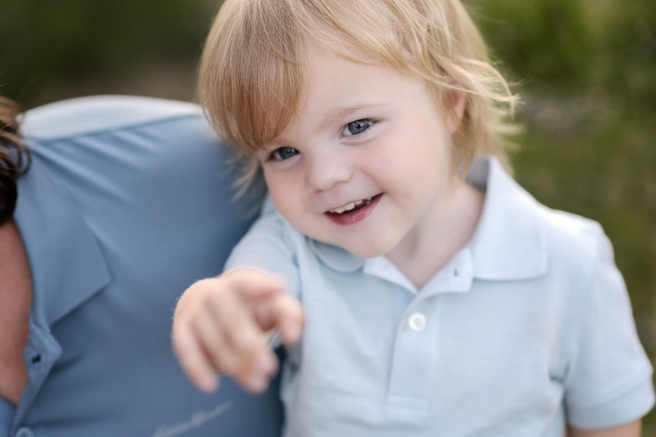
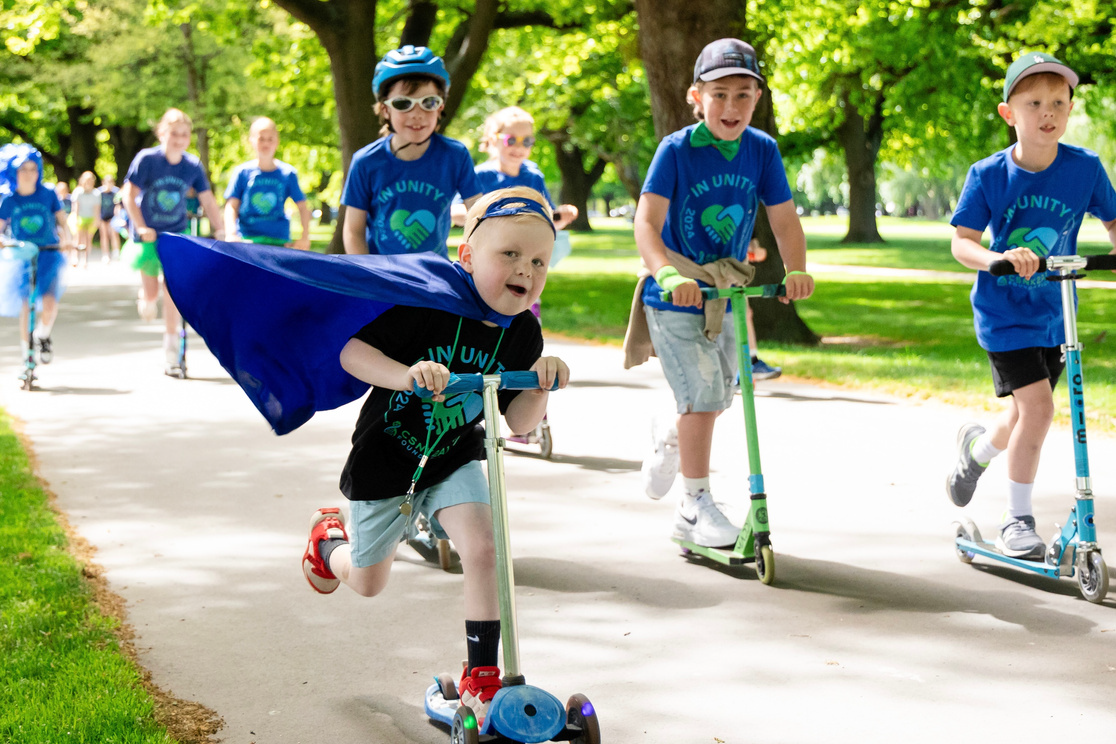
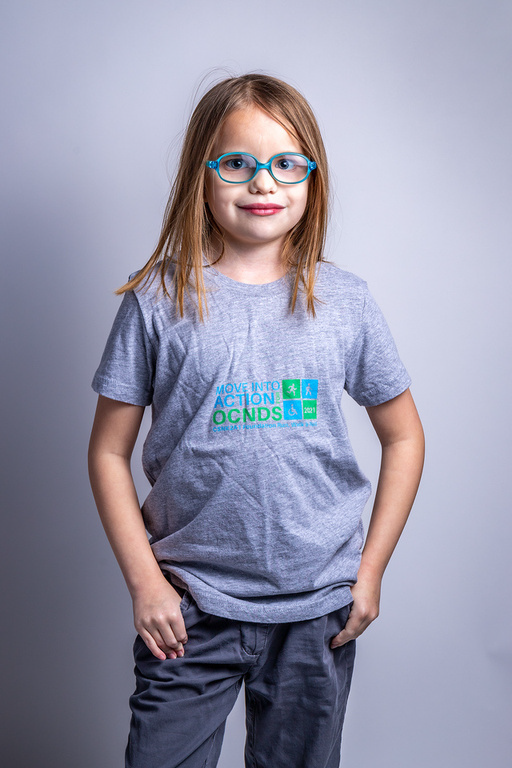
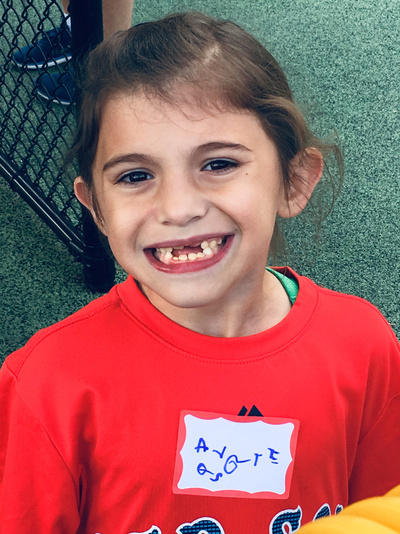
What causes OCNDS?
OCNDS is a rare genetic disorder caused by a mutation in the CSNK2A1 gene. Individuals with OCNDS face significant challenges, including severe speech delays or the inability to speak, global developmental delays, epilepsy, traits of autism spectrum disorder, behavioral difficulties, and feeding problems. Everyday activities that many take for granted—such as swallowing, dressing, using the restroom, buckling a seatbelt, and making friends—are major hurdles for those living with OCNDS.
To navigate these challenges, individuals with OCNDS often undergo multiple therapies, including speech, occupational, feeding, and physical therapy, all of which can take hours each day. The journey for parents and caregivers is one of constant advocacy and sacrifice. They become not only caregivers but also advocates, nurses, champions, therapists, fundraisers, researchers, trailblazers, teachers, and paperwork experts—taking on roles they never imagined in order to provide the best care and support for their loved ones. The dedication of these families fuels the need for ongoing research and support, as they continue to seek treatments and a cure.
Why does funding OCNDS research matter?
The CSNK2A1 gene produces a protein called CK2, which is present in every human cell. In individuals with OCNDS, this protein is disrupted, leading to the many challenges associated with the syndrome. Our research aims to understand how to restore CK2 functionality in OCNDS patients, offering hope for more effective treatments. CK2 is not only a key protein for OCNDS, but it also plays a critical role in a variety of other serious diseases. By funding research into CK2’s potential, we are not only advancing treatments for OCNDS but also contributing to breakthroughs that could benefit millions of people worldwide.
CK2 is being studied in relation to a wide range of conditions, including Parkinson’s disease, Alzheimer’s, autism, COVID-19, inflammatory diseases, ALS, cystic fibrosis, and cancer. A breakthrough in CK2 research for OCNDS could unlock new therapeutic possibilities for many other life-altering diseases.
TGEN & CSNK2A1 Foundation Collaboration
TGen, part of City of Hope, is a nonprofit biomedical research institute focused on conducting groundbreaking research with life-changing results. In 2012, TGen established The Center for Rare Childhood Disorders (C4RCD) to harness the latest technological leaps in genomic sequencing to pinpoint the causes of rare childhood disorders and provide children and their families with a diagnosis and a path toward care and cures.
Through support from the CSNK2A1 Foundation and the Drive for Diagnosis Golf Tournament, TGen has established an OCNDS Research Program led by Dr. Matt Huentelman, the Scientific Director of TGen's C4RCD.
This partnership has allowed TGen and collaborators to deepen our understanding of the genetic changes that cause OCNDS and conduct foundational work to develop personalized therapeutic options.
The CSNK2A1 Foundation and TGen are moving quickly to the next stage of our research in which Dr. Huentelman's team is leading a study utilizing OCNDS patient-derived cells to determine how genetic mutations in the CSNK2A1 gene affect the function and structure of brain cells. We are proud to continue this partnership and advance our progress toward improved therapeutic options for those living with OCNDS.
This Year’s Momentum: Your Dollar’s in Action
Our research pipeline accelerated in remarkable ways. We celebrated six new scientific publications, including the first-ever paper from our OCNDS natural history study with Simons Searchlight. Our drug-repurposing program is advancing rapidly: seven FDA-approved compounds are now being tested across multiple animal models, with testing in cells donated by children with OCNDS beginning in 2026. These studies will identify which candidates have real potential to move toward clinical trials.
Our advocacy and infrastructure also strengthened this year. We submitted a formal request for an ICD10 diagnostic code for OCNDS, now under review— an important step toward better care, better data, and better insurance access. We earned a highly competitive $125,000 PCORI Engagement Award to build a patient and caregiver driven research agenda, and entered Year Two of the Chan Zuckerberg Initiative Rare As One Program, which continues to bring critical funding, tools, and training to our community.
Our July conference was our largest and most impactful yet. Nearly 200 attendees—including 25 families and 59 researchers and clinicians—came together to learn, collaborate, and set the top scientific priorities that will drive the next phase of discovery.
And our internship program continues to grow. We welcomed 15 interns, gaining hands-on experience in rare disease science, communications, and advocacy. Their creativity and energy are helping us scale faster and smarter than ever before.
Every dollar counts. You can make a difference today!
The Impact of Your Support
Driving Discovery. Fueling Hope.

$1.4M+
Raised from Drive for Diagnosis Golf Tournaments

$1.4M+
Invested in Research

16
Grants Awarded

13+
Quarterly Scientific Roundtables

18
Quarterly Scientific Roundtables

7
Family Conferences (4 in-person & 3 virtual)

55
Family Support Meetings

4
Scientific Conferences (3 in-person & 1 virtually)

187
Individuals enrolled in the OCNDS Natural History Study

371
Patients Worldwide

1
Biotech Partnership

30
Strategic Partners

15
Interns PHD & medical trainees in 2025

7
FDA-approved drugs being tested in our animal models

1
Compound being tested in OCNDS mouse model
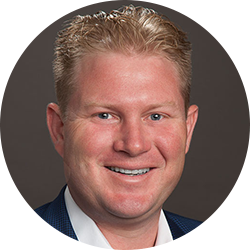
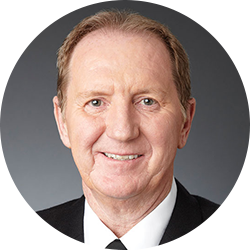
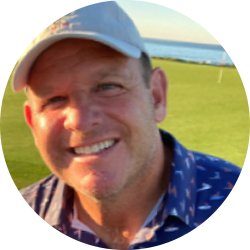
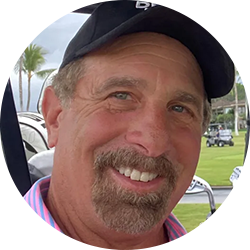
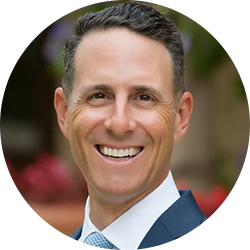
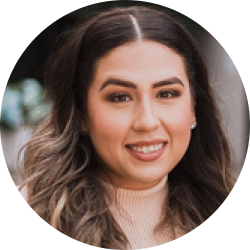
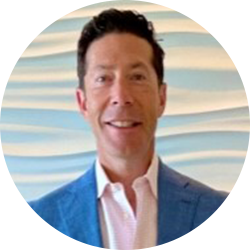
Our Golf Committee
Leaders Driving Impact On and Off the Course
These leaders turn one day of golf into real progress for OCNDS families
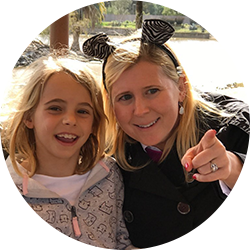
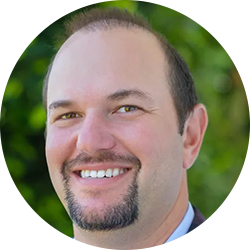
Event Co-Chairs
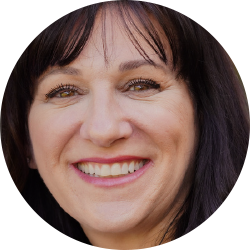
Committee Members

2026 Drive for Diagnosis Golf Classic
To benefit the CSNK2A1 Foundation & TGEN’s CENTER FOR RARE CHILDHOOD DISORDERS in their collaborative efforts to diagnose and find a cure for Okur-Chung Neurodevelopmental Syndrome
TO SIGN UP FOR TOURNAMENT SPONSORSHIPS OR DONATIONS:
- Please donate online at https://www.csnk2a1foundation.org/golf-tournament.
- Mail donation to: CSNK2A1 Foundation 1395 Marsten Rd. Burlingame, CA 94010
- Print out sponsorship commitment forms, scan, and email to golfclassic@csnk2a1foundation.org
- We will contact you for your Company Logo and information for Sponsorship recognition
- Email your Golf Player information sheet to bob@iemgolf.com once you have secured your players.